
Guide to Gardening

Summer Gardening

As we head into summer it’s time to take a critical look at your garden and decide how you’re going to prepare it for the coming heat.

Some steps are obvious. Check watering systems and hoses to make sure they’re working. Buy and replace worn fittings. Apply soil wetters to garden beds (Yates Waterwise Soil Wetter comes in dry and liquid forms). Remove competing weeds and spread new mulch over garden beds – but don’t make your mulch layer so thick and dense that it ends up acting as a barrier to water penetration. Two good references are Kevin Walsh’s Waterwise Gardening and Kevin Handreck’s Good Gardens with Less Water.

Next, check the actual plants and see if it’s worth removing some and replacing them with heat-hardy varieties. There are extensive lists of drought tolerant plants on websites and in books. Yates Garden Guide, for example, has a chapter called The Water-Saving Garden that is filled with good plant suggestions. Many plants, too, carry labels that indicate their drought hardiness.

Don’t forget, though, that every plant needs to be given supplementary water in its first few weeks. And it’s important for this water to be applied at the base of the plant, so that it gets into the existing root system.

Tips

Useful Articles for gardeners of all abilities.

How to

Projects to get you motivated and inspired for a weekend of gardening.

Here are some drought-hardy plant suggestions:

Mediterranean plants like lavender have evolved to handle dry conditions. Many lavender varieties are available, with a range of flower colours in shades of mauve, lilac, pink and white. Lavenders prefer drier conditions and respond well to regular, light pruning. If soil is acidic (areas where azaleas grow well) sprinkle some Yates Garden Lime or Dolomite around the base every couple of years.

Lots of natives that are classed as low water users add beautiful touches to the garden. Correas are good examples. There are many different correas, but one of the best is the hybrid with pink tubular blooms called ‘Dusky Bells’. Correa alba has white, bell-shaped flowers and is tough and drought tolerant once established. While correas require little care, they appreciate being cut back after flowering and the occasional feed with a native plant food like Yates Acticote. Most correas do well as understorey plants in dappled shade.

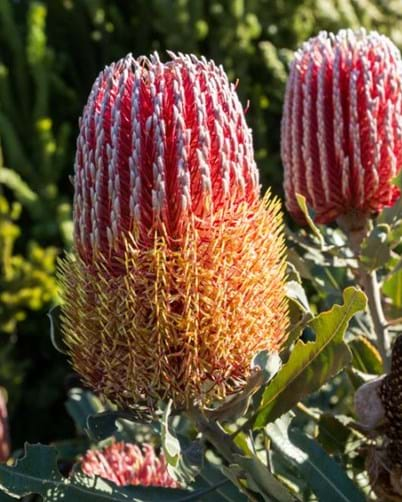
Other native shrubs such as grevilleas, bottlebrush and banksias can survive with little supplementary watering.

And many of the fashionable structural plants – those that are grown for their shape and the dramatic effect of their leaves rather than their flowers – require minimal extra watering. Lomandras, cycads, yuccas and bird of paradise are some suggestions.

Of course succulents, which have evolved to store water, are renowned for their drought hardiness, and there’s a wide range available these days. They don’t all look like cacti – even the gloriously perfumed, warm climate frangipanis are classed as succulents.

Useful articles for Summer Gardening

Looking for some gardening inspiration or a project to complete over the weekend? Here are some practical articles to get you started.

Summer Garden

Protect, Plant, Produce - Three Ps for the summer garden

Summer’s arrived so here are some timely summer garden hints from Yates.

Read more about Gifts for a Gardener

Gifts for a Gardener

Here’s a number of seasonal suggestions from Yates.

entertaining

Spruce up the garden for the entertaining season

As winter comes to an end, we start thinking about the long, warm summer evenings when we’ll be dining al fresco.

View all useful articles