Judy's Garden Calendar August
As the garden gets ready for spring, there’s more and more happening in the plant world.
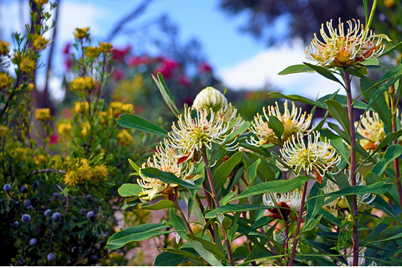
Flowers to sow in August – Kangaroo Paw
Kangaroo paws are increasingly being recognised as the quintessential Australian flower (even the Queen was photographed clutching an armful at this year’s Chelsea Flower Show!). There are lots of wonderful new kangaroo cultivars available in pots but, if you enjoy a challenge, try growing them from Yates seeds. Sow seeds into pots filled with Yates Seed Raising Mix or light, sandy soil. Water well to start with, then keep moist but not soggy. Germination can be slow and erratic but, once the seedlings are large enough to handle, they can be moved into individual pots or into well-drained spots in the garden.
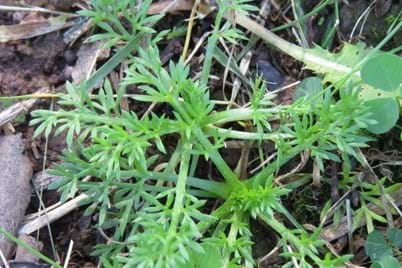
Vegies to sow in August – Carrots
The adaptable Yates All Seasons carrot is the all time favourite, but Baby Carrot is the best to choose if you have shallow soil or only just enough room to grow your carrots in pots. Sow carrot seed in thin rows, cover lightly and keep moist. Yates horticulturists have an extra tip to aid carrot gemination: lay a plank of wood on top of the row after sowing. Check regularly and remove the plank immediately there’s any sign of the tiny plants emerging. Sounds strange, I know, but the logic is sound. It keeps the seed in good contact with the soil and stops it from drying out.
Prune in August
Finish pruning roses in cold climates. In warmer areas, trim those shrubs that flower over summer. Good examples are hibiscus, gardenias, plumbago and fuchsias.
Feed in August
Feed roses about four weeks after pruning. That’s the time when they’ll start to make their new growth. Yates Dynamic Lifter for Roses has the ideal blend of nutrient-boosted, organic-based pellets with plenty of extra potash to improve disease resistance.
Pest watch in August – Mealybugs
These fluffy-coated sucking pests are most often found on plants that are growing indoors or on verandahs and covered patios. They hide down at the base of the plant or in the creases where the leaves join the main stems. As time goes by their numbers can grow until they’re capable of seriously weakening the host plant.
The old time remedy was to dab each mealybug with methylated spirits, which was tedious and only partially successful. Fortunately, with Confidor, control is now much easier. Spray all over the affected plant (take it outside into the shade if it usually lives indoors). After the spray’s dried the plant can go back into its usual spot. Spray twice more, a couple of weeks apart. After that, leave the systemic Confidor to do its job. Check, and follow up if necessary, in a few months time.